
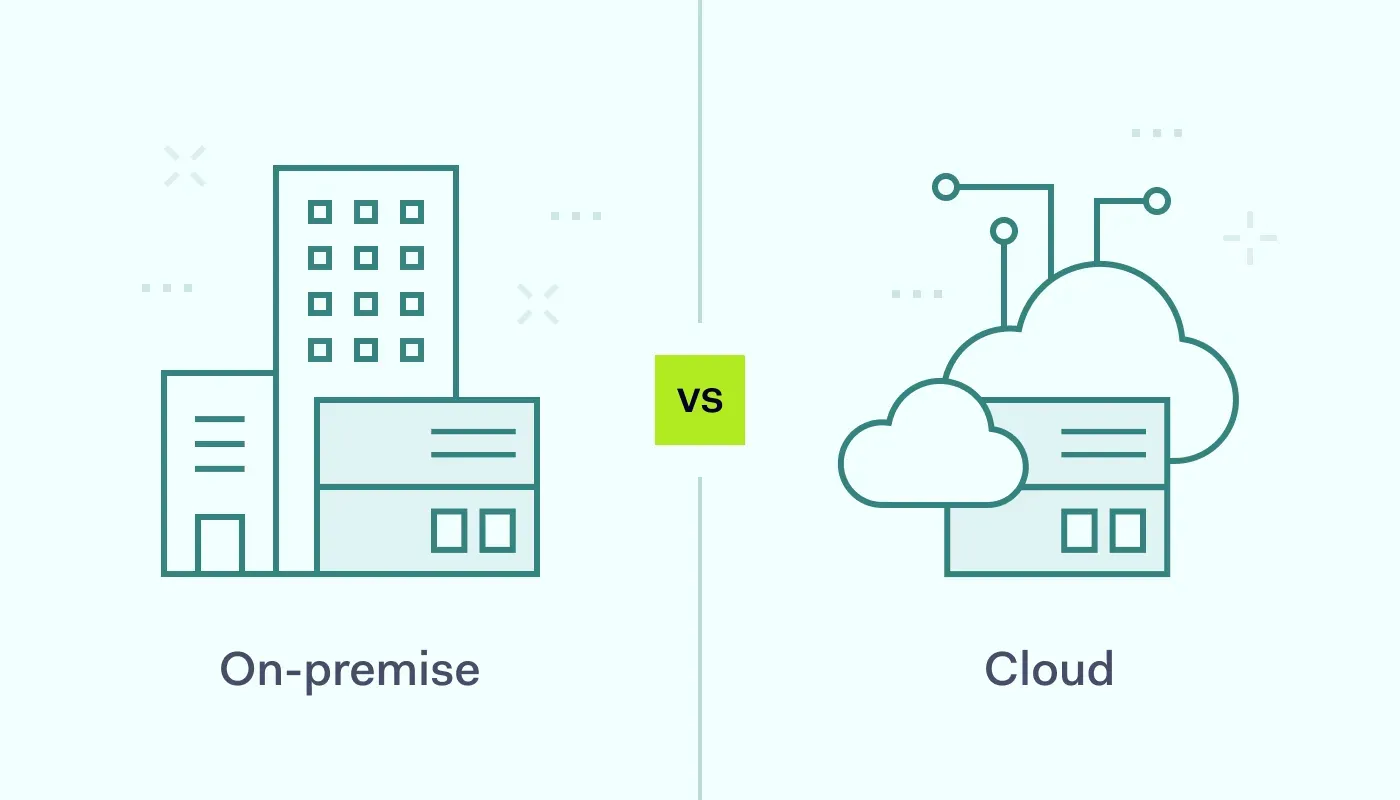
As businesses increasingly rely on data to drive decisions, choosing the right database deployment strategy is critical. By 2026, companies are weighing cloud databases against on-premises solutions based on scalability, performance, cost, and security requirements. Both approaches have distinct advantages and trade-offs depending on organizational needs.
This article explores the differences, benefits, and considerations when choosing between cloud and on-premises databases.
Table of Contents
Understanding Cloud Databases
Cloud databases are hosted, managed, and maintained on cloud infrastructure, offering businesses a scalable and flexible solution. They are typically provided as Database-as-a-Service (DBaaS).
Key Benefits
- Scalability: Easily scale storage and compute resources based on demand
- High Availability: Built-in redundancy and failover mechanisms
- Reduced Maintenance: Automatic patching, backups, and monitoring
- Global Access: Access data from multiple regions or offices
Popular Cloud Databases
- Amazon RDS & DynamoDB
- Google Cloud Spanner & BigQuery
- Microsoft Azure SQL Database
Cloud databases are ideal for web applications, SaaS platforms, and AI-driven analytics.
Understanding On-Premises Databases
On-premises databases are hosted locally on a company’s own servers. Organizations manage the hardware, software, and security themselves.
Key Benefits
- Complete Control: Full control over configuration, security policies, and data management
- Regulatory Compliance: Easier to meet strict data residency requirements
- Predictable Performance: Dedicated resources without shared cloud infrastructure
Popular On-Premises Databases
- Oracle Database
- Microsoft SQL Server
- PostgreSQL and MySQL (self-hosted)
On-premises databases are preferred in industries like banking, healthcare, and government, where compliance and control are paramount.
Key Differences Between Cloud and On-Premises
| Feature | Cloud Databases | On-Premises Databases |
|---|---|---|
| Deployment | Managed by cloud provider | Managed in-house |
| Scalability | High, instant resource allocation | Limited by hardware capacity |
| Maintenance | Automatic updates and backups | Manual, requires dedicated staff |
| Cost | Pay-as-you-go | Capital expenditure upfront |
| Security | Shared responsibility (provider + user) | Full responsibility |
| Access | Global, over the internet | Local network or VPN |
Factors to Consider When Choosing
1. Cost and Budget
- Cloud: Lower upfront cost, operational expenses based on usage
- On-Premises: Higher upfront investment in servers, licenses, and maintenance
2. Scalability and Performance
- Cloud databases offer dynamic scaling, ideal for variable workloads
- On-premises databases may need hardware upgrades for increased demand
3. Compliance and Security
- Certain industries require data to remain on-premises due to regulatory policies
- Cloud providers now offer regional compliance certifications and encryption features
4. Business Continuity
- Cloud solutions provide automated backups and disaster recovery
- On-premises systems require manual DR planning and replication
5. Integration and Ecosystem
- Cloud databases integrate easily with cloud analytics, AI services, and SaaS applications
- On-premises databases may require additional setup for modern integrations
Emerging Trends in 2026
- Hybrid Cloud Architectures: Combining on-premises databases with cloud for flexibility and redundancy
- Multi-Cloud Deployments: Avoid vendor lock-in and improve global accessibility
- Serverless Databases: On-demand compute without managing infrastructure
- AI-Optimized Databases: Autonomous tuning and query optimization across both cloud and on-premises environments
These trends enable organizations to leverage the best of both worlds, improving agility and efficiency.
Making the Right Choice
Choosing between cloud and on-premises databases depends on:
- Workload type: Transactional, analytical, or mixed
- Compliance requirements: Industry regulations and data residency
- Growth expectations: Scaling needs in storage and compute
- Resource availability: IT staff and infrastructure management
Many modern organizations adopt hybrid solutions, using cloud databases for new applications and analytics, while maintaining critical workloads on-premises.
Final Thoughts
By 2026, the choice between cloud and on-premises databases is not just about cost—it’s about agility, performance, security, and compliance. Cloud databases provide scalability, ease of management, and global access, while on-premises solutions offer control, compliance, and predictable performance.
Evaluating business needs, workload requirements, and future growth ensures the right strategy. In many cases, hybrid and multi-cloud architectures offer the optimal balance, enabling businesses to harness modern database technologies while maintaining control over sensitive data.
Also Check Database Optimization Techniques for 2026 – Powerful Guide
1 thought on “Cloud Databases vs On-Premises – Choosing the Right Solution 2026”