
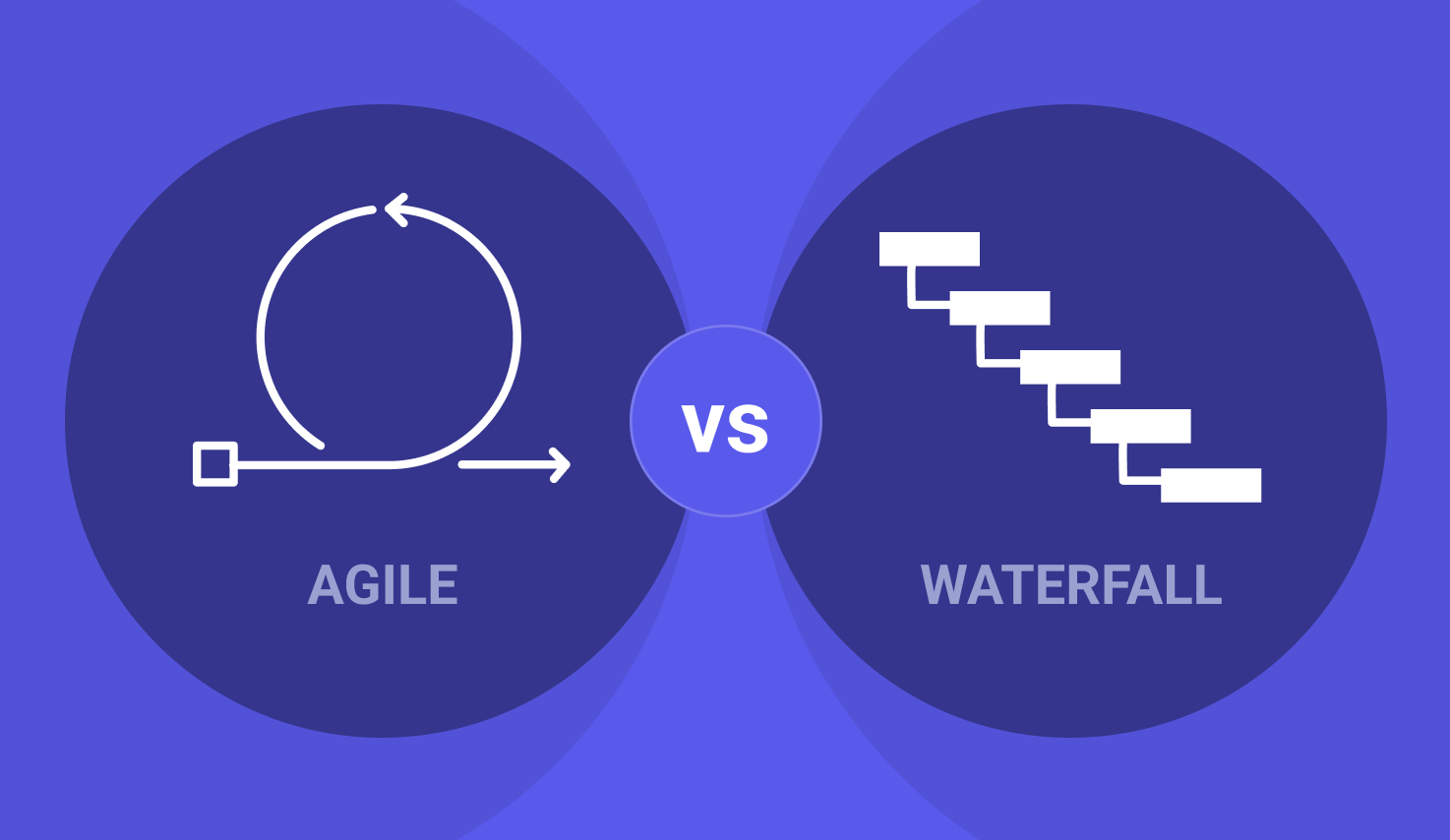
Choosing the right software development methodology is one of the most important decisions in any software project. In 2026, organizations are building software faster than ever, using cloud platforms, AI-powered tools, and distributed teams. Yet, the debate between Agile Methodology vs Waterfall remains highly relevant.
Both methodologies have strengths and limitations. The key question is not which one is “better” in general, but which one is better for your specific project. This article provides a detailed, up-to-date comparison to help you make an informed decision in 2026.
Table of Contents
Understanding Software Development Methodologies
A software development methodology is a structured framework used to plan, execute, and manage the development process. It defines how requirements are gathered, how work is organized, and how progress is measured.
Among many methodologies, Waterfall and Agile Methodology remain the most widely discussed and implemented models.
What Is the Waterfall Model?
The Waterfall model is a linear and sequential approach to software development. Each phase must be completed before the next phase begins, with little to no overlap.
Waterfall Phases
- Requirement Analysis
- System Design
- Development
- Testing
- Deployment
- Maintenance
Once a phase is completed, going back is difficult and costly.
Key Characteristics of Waterfall
- Fixed requirements
- Heavy documentation
- Predictable timeline
- Minimal client involvement after planning
What Is Agile Methodology?
Agile Methodology is an iterative and flexible approach that breaks development into small cycles called iterations or sprints. Instead of delivering the entire product at once, Agile focuses on continuous improvement and frequent releases.
Agile emphasizes:
- Customer collaboration
- Adaptability to change
- Working software over documentation
- Cross-functional teams
Popular Agile frameworks include Scrum, Kanban, and Extreme Programming (XP).
Agile vs Waterfall: Core Differences
1. Requirements Handling
- Waterfall: Requirements are defined at the beginning and remain fixed.
- Agile Methodology: Requirements evolve throughout the project based on feedback.
In 2026, where market needs change rapidly, Agile’s flexibility gives it an advantage for many modern applications.
2. Development Approach
- Waterfall: Development happens once, after design is completed.
- Agile: Development happens in short cycles with continuous testing and feedback.
Agile aligns better with modern CI/CD pipelines and cloud-native development.
3. Client Involvement
- Waterfall: Limited client interaction after the planning phase.
- Agile: Regular client and stakeholder involvement throughout development.
Frequent feedback reduces the risk of building the wrong product.
4. Testing Strategy
- Waterfall: Testing occurs after development is completed.
- Agile Methodology: Testing is continuous and integrated into every sprint.
This makes Agile more effective for maintaining quality in complex systems.
5. Documentation
- Waterfall: Extensive documentation is required at every stage.
- Agile Methodology: Documentation is lightweight and focuses on essentials.
In regulated industries, Waterfall documentation can still be a strong advantage.
Agile vs Waterfall in Real-World Projects (2026 Perspective)
When Waterfall Is Still a Good Choice
Despite the rise of Agile methodology, Waterfall is not obsolete in 2026. It works well when:
- Requirements are clearly defined and stable
- Projects are small or medium-sized
- Regulatory compliance is strict
- Client changes are unlikely
Common use cases include:
- Government systems
- Banking compliance software
- Embedded systems
When Agile Is the Better Option
Agile dominates modern software development, especially for:
- Web and mobile applications
- SaaS platforms
- AI-driven and data-based systems
- Startups and fast-scaling products
In 2026, Agile integrates seamlessly with:
- DevOps
- Cloud platforms
- Remote teams
- AI-assisted development tools
Hybrid Approach: Agile-Waterfall (Best of Both Worlds)
Many organizations in 2026 adopt Hybrid models, combining Waterfall planning with Agile execution.
Example:
- High-level planning follows Waterfall
- Development and testing follow Agile sprints
This approach balances structure with flexibility and is increasingly popular in enterprise environments.
Key Advantages and Disadvantages Summary
Waterfall Advantages
- Clear structure and documentation
- Easy project tracking
- Works well for fixed-scope projects
Waterfall Disadvantages
- Difficult to handle changes
- Late testing increases risk
- Limited flexibility
Agile Advantages
- Faster delivery
- Continuous improvement
- Better customer satisfaction
- Adaptable to market changes
Agile Disadvantages
- Less predictable timelines
- Requires experienced teams
- Documentation may be limited
Which Methodology Should You Choose in 2026?
There is no one-size-fits-all answer.
Choose Waterfall if:
- Your requirements are fixed
- Compliance and documentation are critical
Choose Agile if:
- Your project requires flexibility
- User feedback is important
- You want faster time-to-market
For many modern teams, a Hybrid approach provides the best balance.
Final Thoughts
In 2026, Agile continues to dominate modern software development, but Waterfall still plays an important role in specific industries. The smartest choice is not following trends blindly, but selecting the methodology that aligns with your project goals, team structure, and business requirements.
Understanding both Agile and Waterfall is essential for every software engineer aiming to work on real-world, professional projects.
Also Check Software Development Life Cycle (SDLC) – Phases, Models & Best Practices 2026
1 thought on “Agile Methodology vs Waterfall – Better Development Method – 2026”