
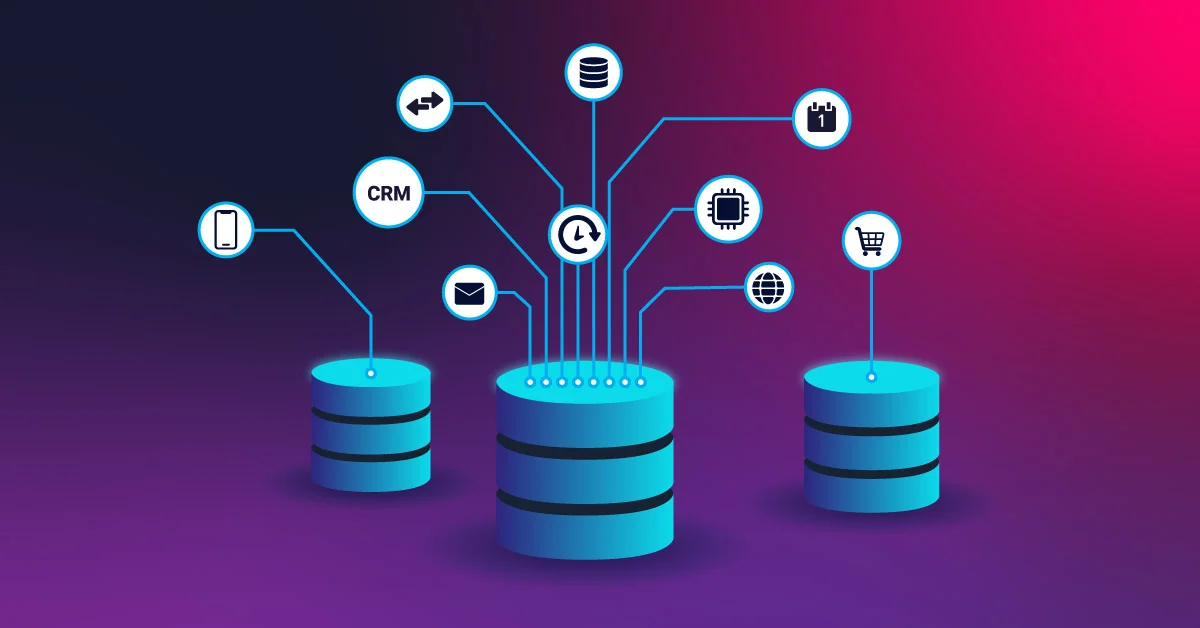
In 2026, databases underpin nearly every modern application, from web platforms and mobile apps to AI-driven analytics. Optimizing database performance, ensuring scalability, and maintaining reliability are critical for businesses that depend on real-time data access. Poorly optimized databases can lead to slow query responses, downtime, and increased operational costs.
This article explores proven database optimization techniques, best practices for scalability, and strategies to ensure reliability in 2026.
Table of Contents
1. Indexing for Faster Queries
Indexes are essential for improving query performance. Proper indexing can significantly reduce the time needed to retrieve data.
Types of Indexes
- Primary Index: Ensures uniqueness of key columns
- Secondary Index: Speeds up search on non-primary columns
- Composite Index: Optimizes queries on multiple columns
- Full-Text Index: Ideal for searching large text fields
Best Practices
- Index frequently queried columns
- Avoid over-indexing, which can slow down write operations
- Monitor index usage and remove unused indexes
2. Query Optimization
Efficient queries are the backbone of database performance. Poorly written SQL queries can drastically slow down applications.
Techniques
- Use SELECT statements with only necessary columns
- Avoid unnecessary joins and subqueries
- Utilize EXPLAIN PLAN to analyze query execution
- Implement prepared statements to reduce parsing overhead
3. Caching Strategies
Caching reduces database load and improves response times by storing frequently accessed data in memory.
Common Caching Techniques
- Application-level caching: Store query results in memory (e.g., Redis, Memcached)
- Database caching: Use built-in database caching mechanisms
- Content Delivery Network (CDN): Cache static data closer to users
Caching reduces latency, especially for read-heavy workloads, and improves scalability.
4. Database Partitioning and Sharding
As data volumes grow, partitioning and sharding help distribute data efficiently.
Partitioning
- Divides a table into smaller, manageable parts
- Types: Range, List, Hash, Composite
- Improves query performance on large datasets
Sharding
- Horizontal partitioning across multiple servers
- Each shard contains a subset of data
- Enhances scalability for high-traffic applications
5. Optimizing Storage and Data Types
Efficient storage usage reduces database bloat and improves performance.
Recommendations
- Choose the most appropriate data types (e.g., INT vs BIGINT)
- Avoid storing unnecessary large fields in frequently queried tables
- Use compression for large datasets when supported
- Regularly archive old or rarely used data
6. Connection Pooling
Connection pooling improves performance by reusing database connections, reducing the overhead of creating new connections for each request.
Benefits
- Faster query execution
- Reduced server resource usage
- Improved handling of concurrent users
Popular tools:
- PgBouncer for PostgreSQL
- HikariCP for Java applications
- Built-in connection pooling in cloud databases
7. Backup, Replication, and High Availability
Optimized databases must also be reliable and resilient. Techniques include:
- Replication: Copying data across multiple nodes for redundancy
- Automated backups: Scheduled backups with versioning
- High availability (HA): Failover clusters and load balancing
- Disaster recovery planning: Recovery time objectives (RTO) and recovery point objectives (RPO)
8. Monitoring and Performance Tuning
Continuous monitoring is essential for identifying bottlenecks and maintaining optimal performance.
Tools and Metrics
- Metrics: Query execution time, cache hit ratio, CPU/memory usage, connection count
- Monitoring Tools: Prometheus, Grafana, New Relic, Datadog
- Tuning: Adjust memory allocation, cache size, thread pool, and query plans
9. Leveraging AI for Optimization
Modern AI-driven databases can automate optimization tasks:
- Predict query performance issues
- Suggest indexes and schema improvements
- Automate workload distribution and scaling
Autonomous databases like Oracle Autonomous Database or Microsoft Azure SQL Edge leverage AI to reduce manual tuning efforts.
Final Thoughts
Database optimization in 2026 is a blend of traditional best practices and modern AI-driven automation. By implementing indexing, query optimization, caching, partitioning, connection pooling, and high availability strategies, organizations can achieve fast, reliable, and scalable databases.
Continuous monitoring and AI-assisted optimization ensure that databases remain efficient as workloads and data volumes grow. Optimized databases not only improve performance but also enhance user experience, reduce operational costs, and support innovation in data-driven applications.
Also Check Super Evolution of Databases – From SQL and Beyond – 2026
1 thought on “Database Optimization Techniques for 2026 – Powerful Guide”