
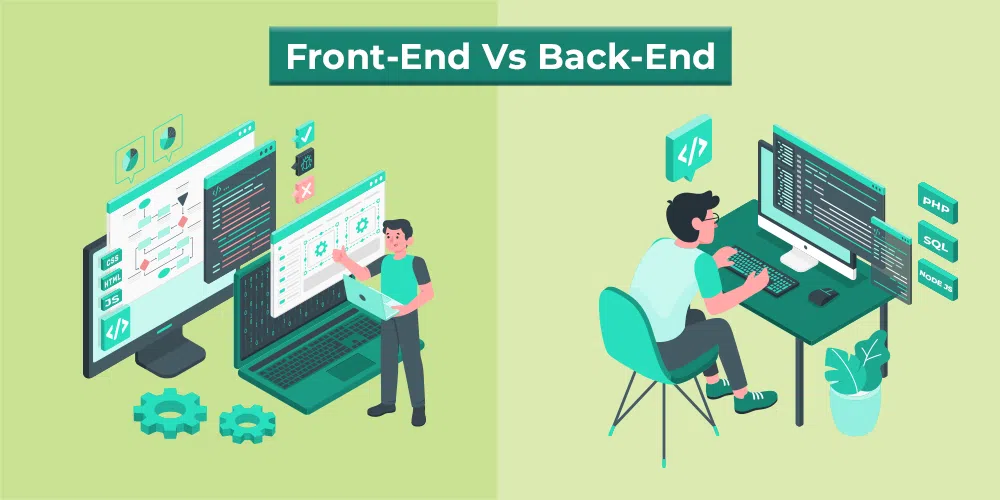
Web development is broadly divided into two major domains: Frontend development and Backend development. In 2026, both roles are critical for building fast, scalable, and secure web applications. However, their responsibilities, required skills, and career paths differ significantly.
This guide explains frontend vs backend development, their differences, tools, skills, and which career path might be right for you.
Table of Contents
What Is Frontend Development?
Frontend development focuses on the visual and interactive part of a website or web application—the part users see and interact with directly.
Frontend developers turn designs into functional user interfaces and ensure a smooth user experience across devices and browsers.
Core Responsibilities of a Frontend Developer
- Building user interfaces
- Ensuring responsive design
- Improving performance and accessibility
- Handling client-side logic and state
- Integrating APIs
Frontend Technologies in 2026
Core Technologies
- HTML – Structure
- CSS – Styling and layout
- JavaScript – Interactivity
Modern Frameworks and Tools
- React – Most widely used UI library
- Next.js – SEO-friendly and full-stack framework
- Vue.js – Progressive and lightweight
- Tailwind CSS – Utility-first CSS framework
Frontend Skills You Must Learn
- Responsive design and mobile-first development
- Accessibility (WCAG guidelines)
- Web performance optimization
- Browser compatibility
- UI/UX collaboration
Good frontend developers balance technical skills with design understanding.
What Is Backend Development?
Backend development focuses on the server-side logic that powers web applications. Backend developers manage databases, authentication, APIs, and business logic.
Users do not see backend code, but it ensures everything works reliably behind the scenes.
Core Responsibilities of a Backend Developer
- Creating and maintaining APIs
- Handling authentication and authorization
- Managing databases
- Ensuring security and scalability
- Optimizing server performance
Backend Technologies in 2026
Popular Programming Languages
Databases
- SQL: PostgreSQL, MySQL
- NoSQL: MongoDB, Firebase
Backend Skills You Must Learn
- REST and GraphQL APIs
- Database design and optimization
- Authentication (JWT, OAuth)
- Security best practices
- Caching and scalability
- Cloud deployment basics
Backend developers focus heavily on logic, performance, and security.
Frontend vs Backend: Key Differences
| Aspect | Frontend Development | Backend Development |
|---|---|---|
| Focus | User interface | Server-side logic |
| Visibility | Visible to users | Hidden from users |
| Main Skills | UI, UX, JavaScript | APIs, databases, security |
| Tools | React, CSS, browsers | Node.js, Django, databases |
| Performance | UI responsiveness | Server efficiency |
Salary and Demand in 2026
Both frontend and backend developers are in high demand.
Frontend Developers
- High demand due to UX and performance focus
- Popular in startups and product-based companies
- Strong freelance opportunities
Backend Developers
- Highly valued for system design and scalability
- Strong demand in enterprise and SaaS platforms
- Often higher salaries for senior roles
Which Path Should You Choose?
Choose Frontend Development if:
- You enjoy design and visual work
- You like seeing immediate results
- You care about user experience
Choose Backend Development if:
- You enjoy logic and problem-solving
- You prefer working with data and systems
- You like optimizing performance and security
What About Full-Stack Development?
Full-stack developers work on both frontend and backend.
Benefits of Full-Stack
- Broader skill set
- Higher flexibility in jobs and freelancing
- Better understanding of entire application architecture
Full-stack development is especially popular in startups and remote roles.
Final Thoughts
In 2026, both frontend and backend development offer strong career opportunities. There is no universally “better” path-success depends on your interests, strengths, and career goals. Many developers start with one role and gradually expand into full-stack development.
Understanding the differences between frontend and backend development helps you make an informed decision and build a focused learning roadmap.
1 thought on “Frontend vs Backend Development – Super Guide – 2026”