
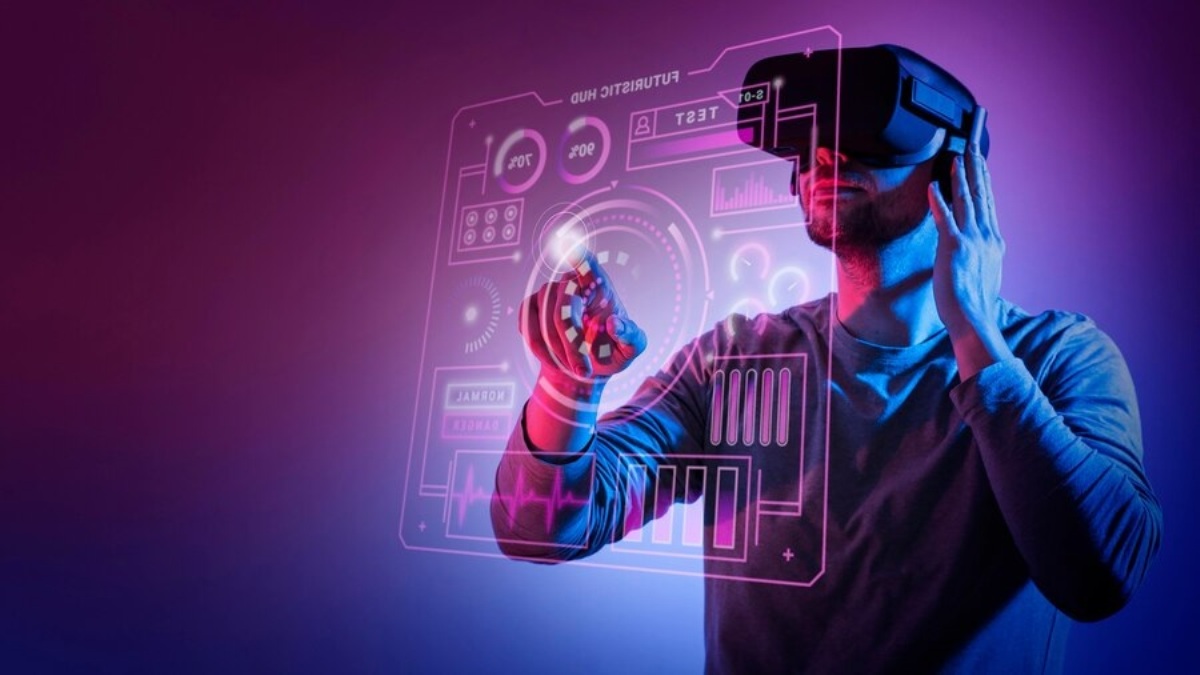
The concept of the metaverse has rapidly evolved from sci-fi imagination into a multi-billion-dollar technological frontier. In 2026, businesses, educators, and entertainment companies are leveraging extended reality (XR) technologies, including virtual reality (VR), augmented reality (AR), and mixed reality (MR), to create immersive digital experiences.
This article explores the opportunities, practical applications, and challenges of the metaverse and extended reality in 2026.
Table of Contents
Understanding the Metaverse and Extended Reality
- Metaverse: A shared digital space where users interact, socialize, work, and transact using avatars and digital assets.
- Virtual Reality (VR): Fully immersive digital environments accessed via VR headsets.
- Augmented Reality (AR): Overlays digital information onto the physical world, typically via smartphones or AR glasses.
- Mixed Reality (MR): Blends digital objects with the real world, allowing interactive experiences.
Opportunities in the Metaverse
1. Gaming and Entertainment
The gaming industry remains the largest driver of the metaverse. VR and AR create immersive experiences that go beyond traditional screens.
- Fully interactive multiplayer VR games
- AR-enhanced live events and concerts
- Virtual sports and esports competitions
Gaming companies like Epic Games and Roblox continue to expand metaverse ecosystems.
2. Virtual Workspaces and Collaboration
Remote work trends accelerated by the past decade have fueled virtual collaboration environments.
- VR offices for team meetings and workshops
- Interactive 3D project management tools
- AR overlays to assist in design and engineering tasks
Companies like Meta and Microsoft are pioneering enterprise XR solutions.
3. Education and Training
Extended reality provides hands-on learning experiences that traditional classrooms cannot replicate.
- VR simulations for medical training
- AR-guided engineering and technical courses
- Interactive language learning and soft skills training
Schools and universities are increasingly adopting XR for immersive learning programs.
4. E-commerce and Retail
Retailers use AR and VR to improve customer engagement and boost sales.
- Virtual try-on for clothing, shoes, and accessories
- AR product visualization for furniture and home décor
- Interactive virtual stores with AI-powered recommendations
Brands like IKEA and Nike are leveraging XR to enhance online shopping experiences.
5. Healthcare and Therapy
XR is transforming healthcare by enabling remote consultations, therapy, and surgical planning.
- VR exposure therapy for mental health treatment
- AR-assisted surgeries and procedural training
- Rehabilitation and physiotherapy using immersive exercises
XR applications improve accessibility and efficiency in healthcare systems.
Challenges in the Metaverse and Extended Reality
1. Hardware Limitations
High-quality VR and AR experiences require expensive hardware and significant computing power. Lightweight, affordable, and high-performance devices remain a challenge.
2. Privacy and Security Concerns
The metaverse collects vast amounts of user data, including biometric and behavioral information. This raises concerns over:
- Data privacy and consent
- Identity theft and avatar impersonation
- Cybersecurity in virtual environments
3. Interoperability and Standards
Currently, most XR platforms operate in silos, making it difficult for users to move assets, avatars, and identities across platforms. Interoperability standards are essential for a truly connected metaverse.
4. Ethical and Social Considerations
- Addiction to immersive experiences
- Digital divide preventing equitable access
- Content moderation and preventing harassment
Addressing these ethical challenges is critical for sustainable metaverse growth.
5. High Development Costs
Creating realistic and interactive virtual environments is resource-intensive, requiring:
- Skilled developers in 3D modeling and AI
- High-quality content production
- Continuous platform maintenance and updates
Small businesses and startups may face barriers to entry due to costs.
The Road Ahead
In 2026, the metaverse and extended reality technologies are still evolving, but the opportunities are immense:
- Cross-industry adoption: Gaming, education, healthcare, retail, and enterprise applications
- Enhanced social and collaborative experiences
- Integration with AI, blockchain, and IoT to enable smarter and more secure virtual environments
- Increased accessibility as hardware becomes more affordable and platforms more intuitive
Companies and developers must balance innovation with ethics, privacy, and sustainability to unlock the full potential of the metaverse.
Final Thoughts
The metaverse and extended reality are not just futuristic concepts—they are rapidly shaping how we work, learn, shop, and entertain ourselves. In 2026, businesses, educators, and technologists who adopt XR technologies responsibly will gain a competitive edge. While challenges remain, the opportunities for creativity, innovation, and immersive experiences are unprecedented.
Also Check Quantum Computing – Super Transformation of Tech in 2026
1 thought on “Metaverse and Extended Reality – Opportunities & Challenges in 2026”