
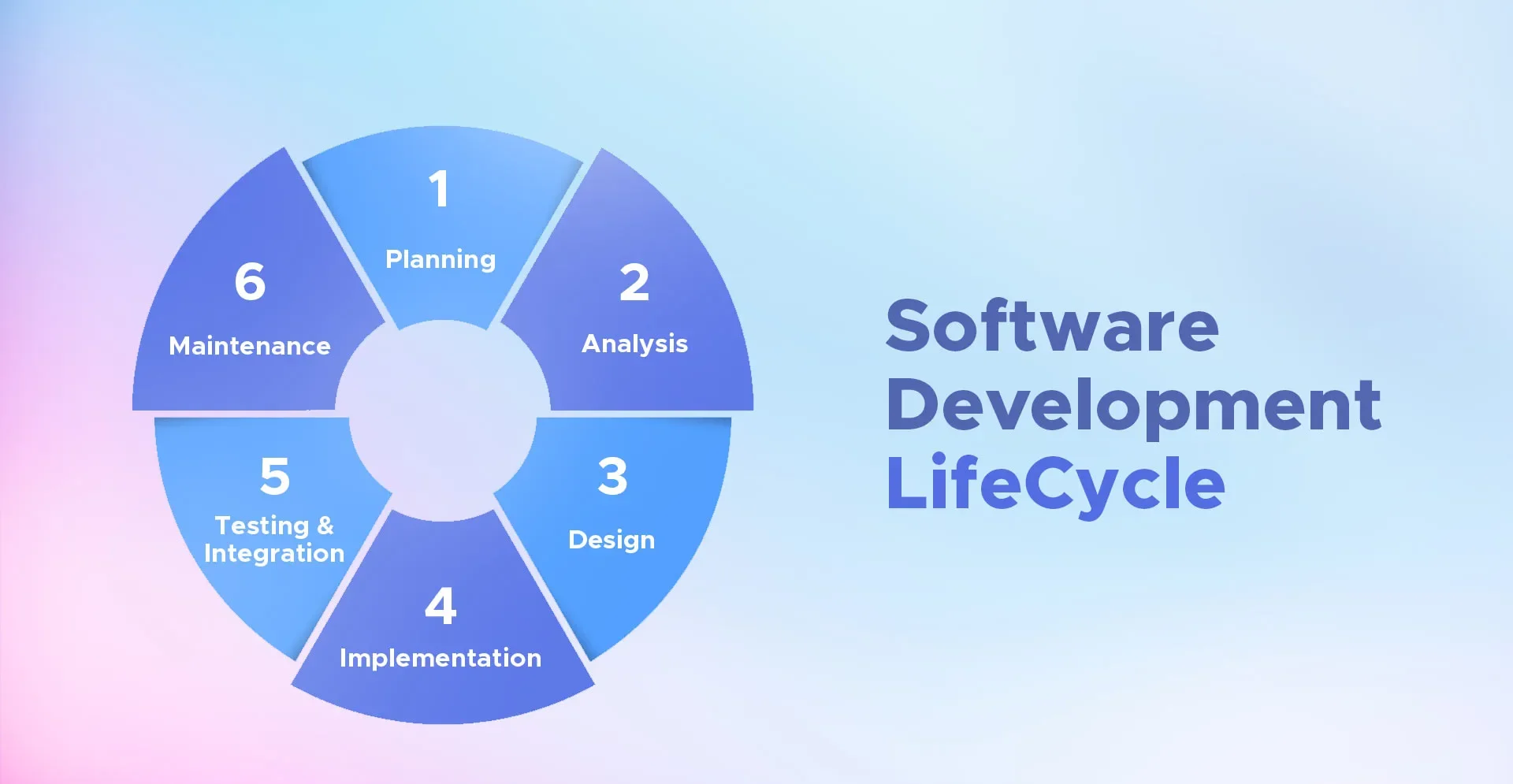
The Software Development Life Cycle (SDLC) is a structured process used by software engineers to design, develop, test, deploy, and maintain high-quality software. Whether you are a beginner or a professional developer, understanding SDLC is essential for building reliable, scalable, and secure software systems.
In this guide, we’ll explain SDLC phases, explore popular SDLC models, and share best practices followed by modern software engineering teams.
Table of Contents
What Is Software Development Life Cycle (SDLC)?
SDLC is a systematic approach that defines the complete journey of software from the initial idea to deployment and long-term maintenance. It helps teams deliver software that meets user requirements, stays within budget, and is completed on time.
Instead of writing random code, SDLC ensures:
- Clear planning
- Better communication
- Reduced development risks
- Higher software quality
Why SDLC Is Important in Software Engineering
SDLC plays a critical role in professional software development because it:
- Improves project planning and estimation
- Reduces development costs
- Minimizes bugs and failures
- Ensures user requirements are met
- Enhances collaboration between teams
Without SDLC, software projects often suffer from poor design, missed deadlines, and frequent failures.
Phases of Software Development Life Cycle
Although Software Development Life Cycle models may vary, the core phases remain mostly the same.
1. Requirement Analysis
This is the foundation of the entire project. In this phase, developers and stakeholders gather and analyze requirements.
Key activities:
- Understanding user needs
- Defining functional and non-functional requirements
- Creating requirement documents
- Identifying constraints and risks
A mistake here can affect the entire project.
2. Planning
In the planning phase, teams define:
- Project scope
- Timeline and milestones
- Budget and resources
- Technology stack
A clear plan helps avoid confusion and scope creep later.
3. System Design
System design converts requirements into a technical blueprint.
This phase includes:
- High-level system architecture
- Database design
- UI/UX planning
- API structure
Good design ensures scalability, security, and maintainability.
4. Development (Coding)
This is where actual coding begins. Developers write code based on design specifications using selected programming languages and frameworks.
Best practices during development:
- Follow coding standards
- Write clean and modular code
- Use version control systems like Git
- Conduct regular code reviews
5. Testing
Testing ensures the software works as expected and is free from critical bugs.
Common testing types:
- Unit testing
- Integration testing
- System testing
- User Acceptance Testing (UAT)
Testing improves reliability and user satisfaction.
6. Deployment
Once testing is successful, the software is released to users.
Deployment methods include:
- Manual deployment
- Automated CI/CD pipelines
- Cloud-based deployment
Modern teams use DevOps practices for faster and safer releases.
7. Maintenance and Support
After deployment, the software enters the maintenance phase.
This includes:
- Fixing bugs
- Improving performance
- Adding new features
- Ensuring security updates
Maintenance is often the longest SDLC phase.
Popular SDLC Models Explained
Different projects require different Software Development Life Cycle models. Below are the most commonly used ones.
Waterfall Model
A linear and sequential approach where each phase must be completed before the next begins.
Best for:
- Small projects
- Fixed requirements
Agile Model
Agile focuses on iterative development, continuous feedback, and flexibility.
Best for:
- Changing requirements
- Fast-paced projects
Spiral Model
A risk-driven approach combining iterative development with risk analysis.
Best for:
- Large and complex systems
DevOps Model
DevOps integrates development and operations to enable continuous delivery and automation.
Best for:
- Cloud-based applications
- Frequent releases
SDLC Best Practices in 2026
Modern software teams follow these SDLC best practices:
- Clear and documented requirements
- Agile and iterative development
- Automated testing and CI/CD
- Strong security practices (DevSecOps)
- Continuous monitoring and feedback
- Regular documentation updates
Final Thoughts
The Software Development Life Cycle is the backbone of successful software engineering projects. By understanding SDLC phases, choosing the right model, and following best practices, teams can build reliable, secure, and scalable software systems.
For aspiring software engineers, mastering SDLC is just as important as learning programming languages.
Also Check Software Engineering Best Roadmap – Beginner to Expert 2026
2 thoughts on “Software Development Life Cycle (SDLC) – Phases, Models & Best Practices 2026”