
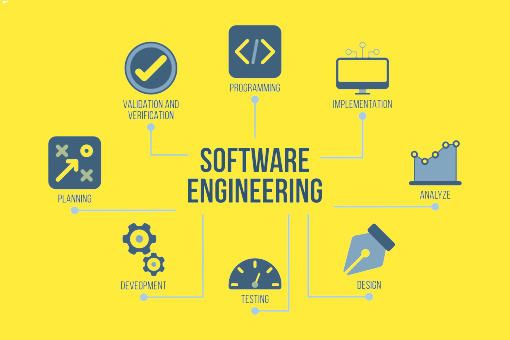
The software engineering landscape is evolving faster than ever. In 2026, being a successful software engineer is no longer just about knowing one programming language or framework. Companies now look for engineers who combine strong technical foundations, modern tooling knowledge, and professional skills.
Whether you are a student, beginner, or working developer, this guide covers the most important software engineering skills you must learn in 2026 to stay competitive in the global tech industry.
Table of Contents
What is Software Engineering Skills
Software engineering skills blend crucial technical abilities (coding, algorithms, DevOps, cloud, cybersecurity, AI) with essential soft skills (problem-solving, communication, teamwork, critical thinking, adaptability) to design, build, test, and maintain software, focusing on both logical/technical execution and effective collaboration within the Software Development Life Cycle (SDLC).
1. Strong Programming Fundamentals
Programming fundamentals remain the backbone of software engineering. Trends may change, but core concepts never lose value.
Key areas to master:
- Variables, data types, and control structures
- Functions and modular programming
- Object-Oriented Programming (OOP)
- Error handling and debugging
- Clean and readable code practices
Languages commonly used in 2026:
- Python
- Java
- JavaScript / TypeScript
- C++
- Go
A strong foundation allows you to adapt quickly to new technologies.
2. Data Structures and Algorithms (DSA)
Even in 2026, DSA remains among th core software engineering skills, especially for problem-solving, system efficiency, and technical interviews.
Essential topics include:
- Arrays, linked lists, stacks, queues
- Trees and graphs
- Hashing
- Sorting and searching algorithms
- Time and space complexity analysis
DSA improves your ability to:
- Write optimized code
- Handle large-scale data
- Design efficient systems
3. Version Control and Collaboration (Git & GitHub)
Modern software is built by teams, not individuals. Version control is mandatory for professional development and is one of the most essential software engineering skills.
Skills you must have:
- Git commands (commit, branch, merge, rebase)
- GitHub or GitLab workflows
- Pull requests and code reviews
- Resolving merge conflicts
Version control ensures code quality, traceability, and smooth collaboration.
4. Software Development Life Cycle (SDLC) Knowledge
Understanding how software is built and delivered is just as important as writing code.
You should be familiar with:
- SDLC phases
- Agile and Waterfall methodologies
- Requirement analysis
- System design basics
- Deployment and maintenance processes
This knowledge helps engineers think beyond code and contribute to real-world projects effectively.
5. Testing, Debugging, and Code Quality
In 2026, companies expect engineers to write reliable and testable software. Testing is often considered neliglible while it is one of the most important software engineering skills.
Important skills include:
- Unit testing
- Integration testing
- Automated testing tools
- Debugging complex issues
- Refactoring legacy code
Testing reduces bugs, improves maintainability, and increases user trust.
6. Cloud Computing and DevOps Basics
Cloud-native development is now the industry standard. Software engineers must understand how applications run in production environments.
Core concepts to learn:
- Cloud platforms (AWS, Azure, Google Cloud)
- CI/CD pipelines
- Containers (Docker)
- Basic DevOps workflows
- Monitoring and logging
Even non-DevOps engineers benefit from understanding deployment pipelines.
7. System Design and Scalability
As applications grow, scalability becomes critical. System design skills help engineers build software that can handle real-world usage.
Topics to focus on:
- Client-server architecture
- APIs and microservices
- Database design
- Caching and load balancing
- Basic security principles
System design is especially important for mid-level and senior roles.
8. Security Awareness (DevSecOps Mindset)
Security is no longer optional. Engineers in 2026 must understand basic security principles to prevent vulnerabilities.
Key areas:
- Secure coding practices
- Authentication and authorization
- Data encryption
- OWASP Top 10 vulnerabilities
- Secure API development
Security awareness protects both users and organizations.
9. Problem-Solving and Analytical Thinking
Technology changes, but problem-solving remains timeless.
Great software engineers:
- Break complex problems into smaller parts
- Analyze trade-offs
- Think logically and systematically
- Learn from failures
This skill separates average coders from professional engineers.
10. Communication and Soft Skills
Technical skills alone are not enough in 2026. Engineers work with product managers, designers, and stakeholders.
Essential soft skills:
- Clear communication
- Team collaboration
- Time management
- Adaptability
- Continuous learning mindset
Strong communication improves productivity and career growth.
Final Thoughts
In 2026, successful software engineers are those who balance strong fundamentals, modern tools, security awareness, and professional skills. Instead of chasing every new trend, focus on building a solid foundation and continuously improving your skills.
Mastering these software engineering skills will not only help you get hired but also grow into a confident and reliable professional in the long term.
Also Check Agile Methodology vs Waterfall – Better Development Method – 2026
1 thought on “Top Software Engineering Skills Developer Must Learn in 2026”